
Trees take the time they take.
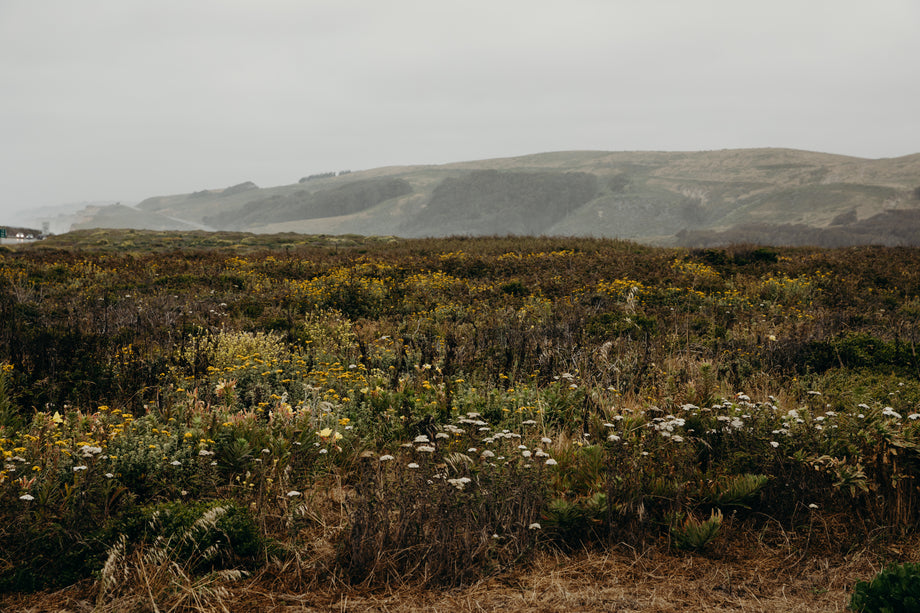
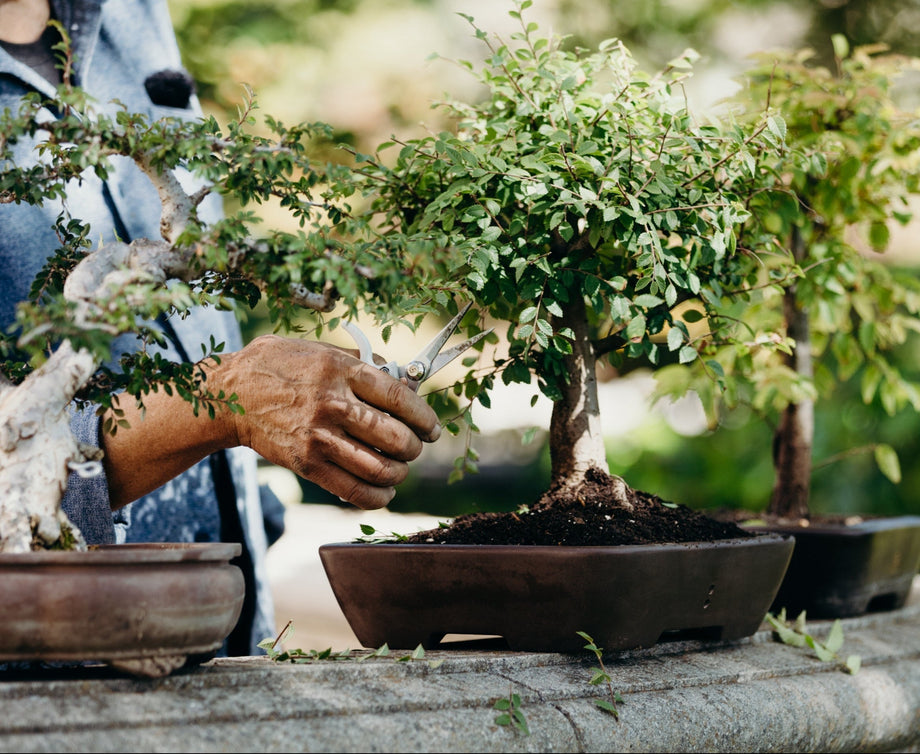
On the coast an hour south of San Francisco, we grow bonsai the long way — from seed, in the ground, through every unglamorous year in between. The nursery is not a warehouse. It is a place where a tree is refused permission to ship until it is ready.
A letter from the founder
Why I still do this.
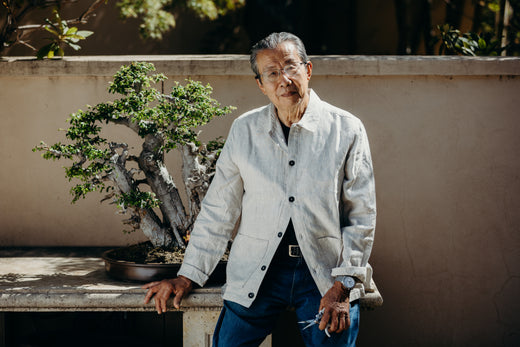
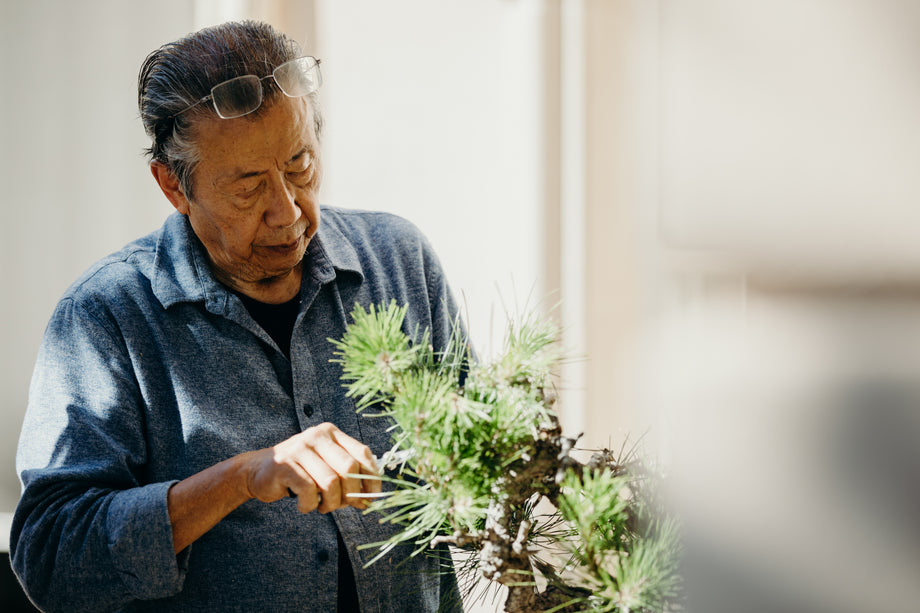
For over 50 years, bonsai has been my enduring passion. I had the privilege of learning traditional bonsai techniques from Harry Hirao and John Naka, known as the fathers of American bonsai.
My dedication to the art led me to become a member of the prestigious California Bonsai Society, and I had the honor of briefly serving as a director of the National Bonsai Foundation.
I have developed what might be called the "lifestyle bonsai approach" — practical, proven methods designed to seamlessly integrate the practice of bonsai into the busy rhythm of modern life.
Everything we sell was grown here, by these methods. If a tree carries our name, it is because I believe it will outlive both of us.
With patience,
Milton Chang
Founder, Bonsai Heirloom
For the record
The ledger.
- Years in practice
- Sixty years of bonsai, and counting.
- Lineage
- Trained by John Naka and Harry Hirao, the fathers of American bonsai.
- Societies
- Member of the California Bonsai Society; served as a director of the National Bonsai Foundation.
- Exhibitions
- Trees shown in California Bonsai Society exhibitions over the decades.
- From seed
- Growing our own trees from seed in Pescadero since 1998.
- On film
- The methods, documented on the Bonsai Heirloom YouTube channel.
Milton's Collection
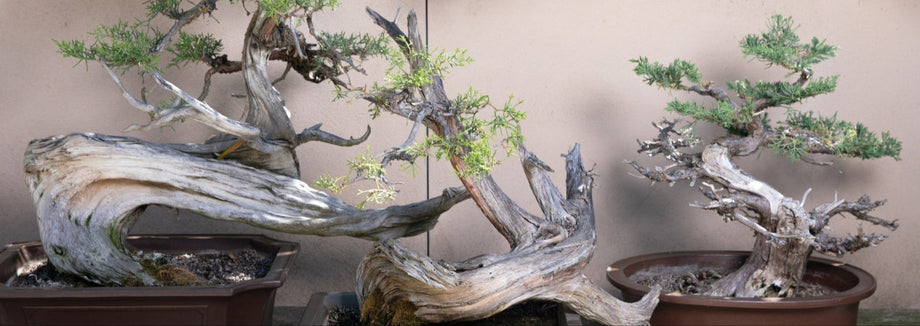
The trees Milton keeps for himself — decades of work that set the bar for everything we sell.


Some of these trees are older than I am.
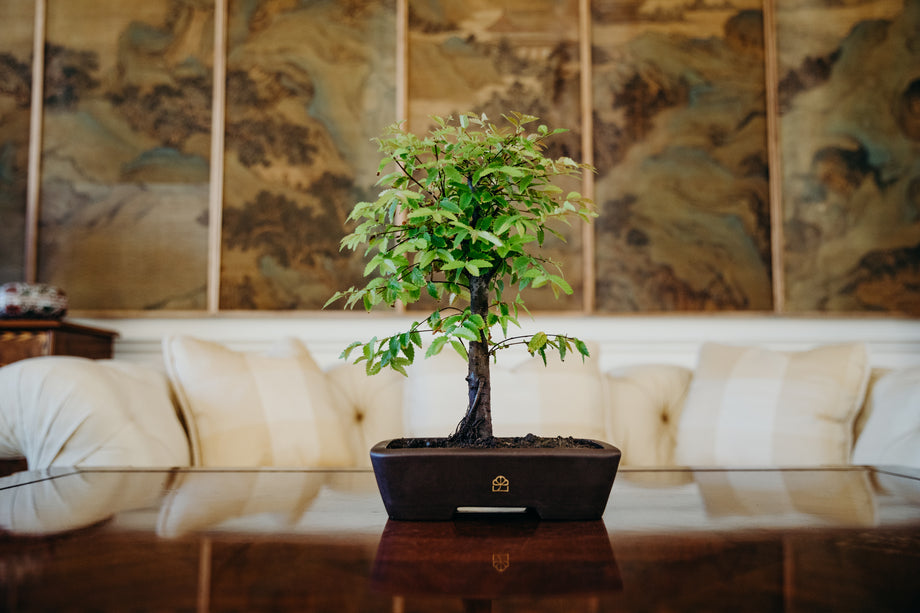
A finished bonsai is priced by the years inside it — the growing, the training, the seasons nobody saw. A $99 pre-bonsai and a collector tree are the same craft at different depths, and we would rather explain a price than inflate a story. What you pay for is time, honestly counted.
The Pescadero method, in more hands than one.
Every tree here is worked by people trained by Milton, to standards he set and still inspects. The method — what we call the Pescadero method — is the point: it lives in the nursery, not in any one pair of hands, so the trees we start today will be finished with the same patience years from now.